[vc_row][vc_column][dfd_heading module_animation=”transition.swoopIn” content_alignment=”text-left” delimiter_settings=”border-bottom-style:solid;|border-bottom-width:200px;|width:100px;|border-bottom-color:#9facad;” style=”style_07″ subtitle=”at GCCRC” title_font_options=”tag:h5|font_size:80|color:%23486e71|line_height:70″ subtitle_font_options=”tag:h3|font_size:28|color:%239facad|font_style_bold:1″]INFRASTRUCTURE[/dfd_heading][/vc_column][/vc_row][vc_row force_equal_height_columns=”main_row” css=”.vc_custom_1575657085469{margin-top: 30px !important;margin-bottom: 80px !important;}”][vc_column width=”1/2″][vc_single_image image=”643″ img_size=”full” style=”vc_box_shadow_border”][dfd_heading module_animation=”transition.swoopIn” content_alignment=”text-left” delimiter_settings=”border-bottom-style:solid;|border-bottom-width:80px;|width:40px;|border-bottom-color:#9facad;” style=”style_07″ title_font_options=”tag:h5|font_size:30|color:%23486e71|line_height:70″ subtitle_font_options=”tag:h3|font_size:28|color:%239facad|font_style_bold:1″]Phenotyping[/dfd_heading][vc_column_text]GCCRC developed in-house tools for real-time advanced plant phenotyping, allowing assessment of plant abiotic stress responses in both greenhouses and field trials. By providing high-resolution data and imaging, the phenotyping platform endorsed the identification of physiological parameters key for the evaluation of drought stress tolerance.[/vc_column_text][dfd_spacer screen_wide_resolution=”1280″ screen_wide_spacer_size=”30″ screen_normal_resolution=”1024″ screen_tablet_resolution=”800″ screen_mobile_resolution=”480″ screen_normal_spacer_size=”30″ screen_tablet_spacer_size=”30″ screen_mobile_spacer_size=”25″][/vc_column][vc_column width=”1/2″][vc_single_image image=”607″ img_size=”full” alignment=”center” style=”vc_box_shadow_border” css_animation=”none”][dfd_heading module_animation=”transition.swoopIn” content_alignment=”text-right” delimiter_settings=”border-bottom-style:solid;|border-bottom-width:80px;|width:40px;|border-bottom-color:#95b39f;” style=”style_10″ title_font_options=”tag:h5|font_size:30|color:%233f674e|line_height:40″ subtitle_font_options=”tag:h3|font_size:20|color:%2395b39f|font_style_bold:1″]Computational Biology
[/dfd_heading][vc_column_text]GCCRC uses complex in-house-developed and commercially-available bioinformatics tools to interrogate omics data to unravel new genes and pathways associated with drought stress response.[/vc_column_text][dfd_spacer screen_wide_resolution=”1280″ screen_wide_spacer_size=”25″ screen_normal_resolution=”1024″ screen_tablet_resolution=”800″ screen_mobile_resolution=”480″ screen_normal_spacer_size=”25″ screen_tablet_spacer_size=”25″ screen_mobile_spacer_size=”25″][vc_single_image image=”608″ img_size=”full” alignment=”center” style=”vc_box_shadow_border” css_animation=”none”][dfd_heading module_animation=”transition.swoopIn” content_alignment=”text-right” delimiter_settings=”border-bottom-style:solid;|border-bottom-width:100px;|width:40px;|border-bottom-color:#e7942a;” style=”style_10″ title_font_options=”tag:h5|font_size:30|color:%23e7942a|line_height:40″ subtitle_font_options=”tag:h3|font_size:20|color:rgba(231%2C148%2C42%2C0.59)|font_style_bold:1″]Maize transformation facility[/dfd_heading][vc_column_text]GCCRC has built state of the art lab facility including light/temperature controlled growth rooms designed for maize transformation, plant regeneration and acclimation of transformed plants.[/vc_column_text][/vc_column][/vc_row][vc_row force_equal_height_columns=”main_row” css=”.vc_custom_1575657060781{margin-top: 20px !important;margin-bottom: 90px !important;}”][vc_column width=”1/2″][vc_single_image image=”486″ img_size=”full” alignment=”center” style=”vc_box_shadow_border” css_animation=”none”][/vc_column][vc_column width=”1/2″][dfd_heading module_animation=”transition.swoopIn” content_alignment=”text-left” delimiter_settings=”border-bottom-style:solid;|border-bottom-width:40px;|width:80px;|border-bottom-color:#95b39f;” style=”style_07″ title_font_options=”tag:h5|font_size:30|color:%233f674e|line_height:40″ subtitle_font_options=”tag:h3|font_size:20|color:%2395b39f|font_style_bold:1″]Laboratories[/dfd_heading][vc_column_text]
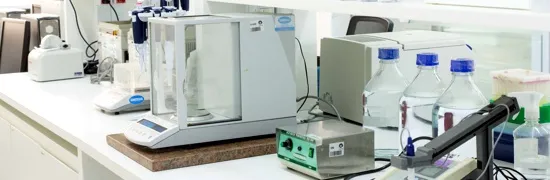
- A 120 m2 maize gene editing laboratory that accommodates 5-6 FTEs and is equipped with a complete maize transformation infrastructure.
- A modern 200 m2 laboratory located at CBMEG and a 200 m2 growth and seed storage rooms.
[/vc_column_text][/vc_column][/vc_row][vc_row][vc_column width=”1/2″][dfd_heading module_animation=”transition.swoopIn” content_alignment=”text-right” delimiter_settings=”border-bottom-style:solid;|border-bottom-width:40px;|width:80px;|border-bottom-color:#e7942a;” style=”style_09″ title_font_options=”tag:h5|font_size:30|color:%23e7942a|line_height:40″ subtitle_font_options=”tag:h3|font_size:20|color:%23eab979|font_style_bold:1″]Greenhouses[/dfd_heading][dfd_spacer screen_wide_resolution=”1280″ screen_wide_spacer_size=”40″ screen_normal_resolution=”1024″ screen_tablet_resolution=”800″ screen_mobile_resolution=”480″ screen_normal_spacer_size=”40″ screen_tablet_spacer_size=”30″ screen_mobile_spacer_size=”30″][vc_column_text]A 600 m2 modern greenhouse facility equipped real-time data access, LED light-controlled environments, for immature embryo production for maize transformation, transformed plant acclimation and production of T1 seeds, and abiotic stress experiments. An additional nursery-type environment was designed to grow maize lines for seed production and also to accommodate other plants.[/vc_column_text][/vc_column][vc_column width=”1/2″][dfd_carousel speed=”1000″ autoplay_speed=”2500″ screen_normal_resolution=”1024″ screen_tablet_resolution=”800″ screen_mobile_resolution=”480″ counter_style=”between_arrows” arrows_always_show=”” dots=”” slider_type=”vertical” arrows_position=”bottom_center” arrows_style=”style_2″][vc_single_image image=”609″ img_size=”full” alignment=”center”][vc_single_image image=”610″ img_size=”full” alignment=”center”][vc_single_image image=”611″ img_size=”full” alignment=”center”][/dfd_carousel][/vc_column][/vc_row]